Sugar Industry
The sugar industry holds an important place in Ukraine's economy as a strategic direction of the food industry. Sugar production is a multi-stage process during which significant amounts of byproducts are formed: sugar beet pulp, molasses, filter cake and other waste. Previously, these materials often became a problem for sugar plants, as they required additional disposal costs and created an environmental burden on the environment.
Today, the most rational solution for processing sugar production byproducts is pelletizing technology. "UKRBIO TRANS-SERVICE" offers comprehensive technological lines that transform sugar plant waste into highly marketable products — feed additives for livestock or alternative biofuel. This approach not only minimizes the environmental impact of production, but also creates new profit sources for industry enterprises.
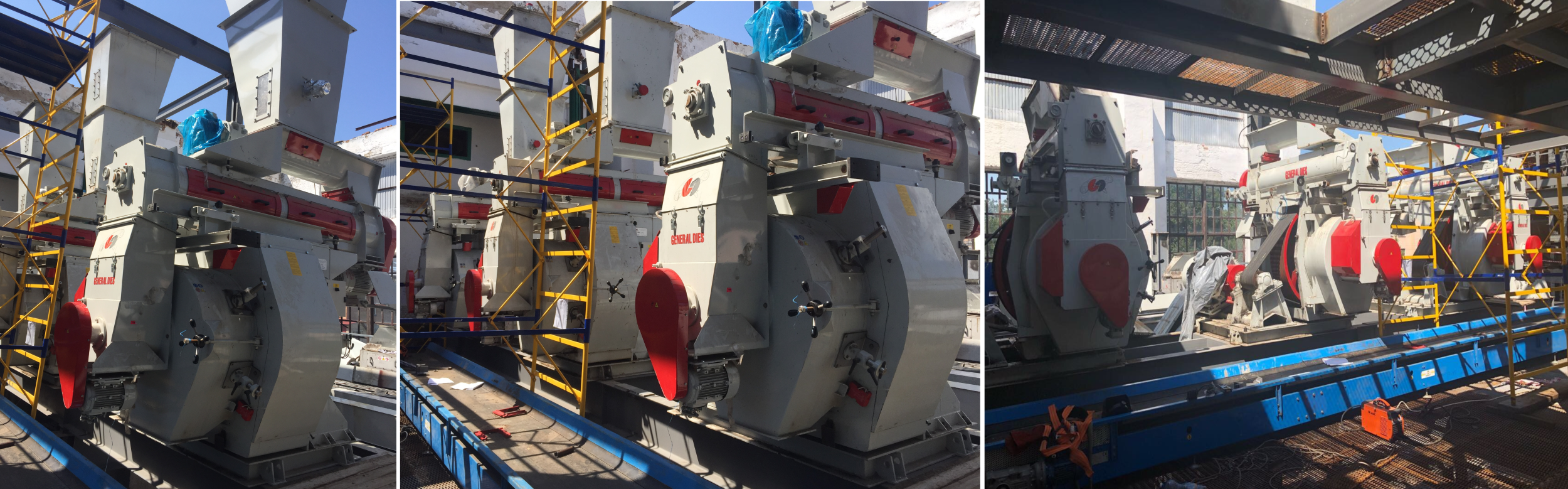
Features of Sugar Production Waste Processing
Sugar production byproducts differ in properties, so they require an individual approach to processing. Below are the main types of raw materials that are subject to pelletizing at sugar plants:
-
Sugar beet pulp — fibrous mass that remains after sugar extraction from beets. In fresh form it contains up to 93% moisture, so it requires drying before pelletizing. Dried pulp becomes valuable raw material for producing highly nutritious feed pellets.
-
Molasses — thick byproduct syrup with high sugar content (up to 50%). It can be used as a binding component when pelletizing other materials or as an additive to feed mixtures to increase their energy value.
-
Filter cake — contains significant amounts of organic matter and calcium, making it a valuable component for producing organic-mineral fertilizers in pelleted form.
Each type of raw material requires a specific approach to preparation and processing. Technologies developed by UKRBIO TRANS-SERVICE enable precise adjustment of the process to match the properties of each particular material. This ensures consistent quality of the final product, regardless of its origin.
Technological Possibilities for Pelletizing Sugar Waste
Modern methods of processing sugar production waste open new horizons for business development. Implementing pelletizing technologies at a sugar plant creates a double effect: reducing environmental fees and forming additional product lines.
"UKRBIO TRANS-SERVICE" has ready technological solutions for processing sugar production byproducts (pulp, molasses, filter cake) into pelleted products — feed or fuel. The comprehensive approach allows rational use of almost all residues formed during sugar production.
The technological line for pelletizing includes:
-
pre-drying systems (for pulp);
-
crushing equipment;
-
PSP pellet mills;
-
PSP-C coolers;
-
packaging equipment.
The production cycle is configured individually according to the specifics of each particular enterprise, considering sugar production volumes and logistical capabilities.
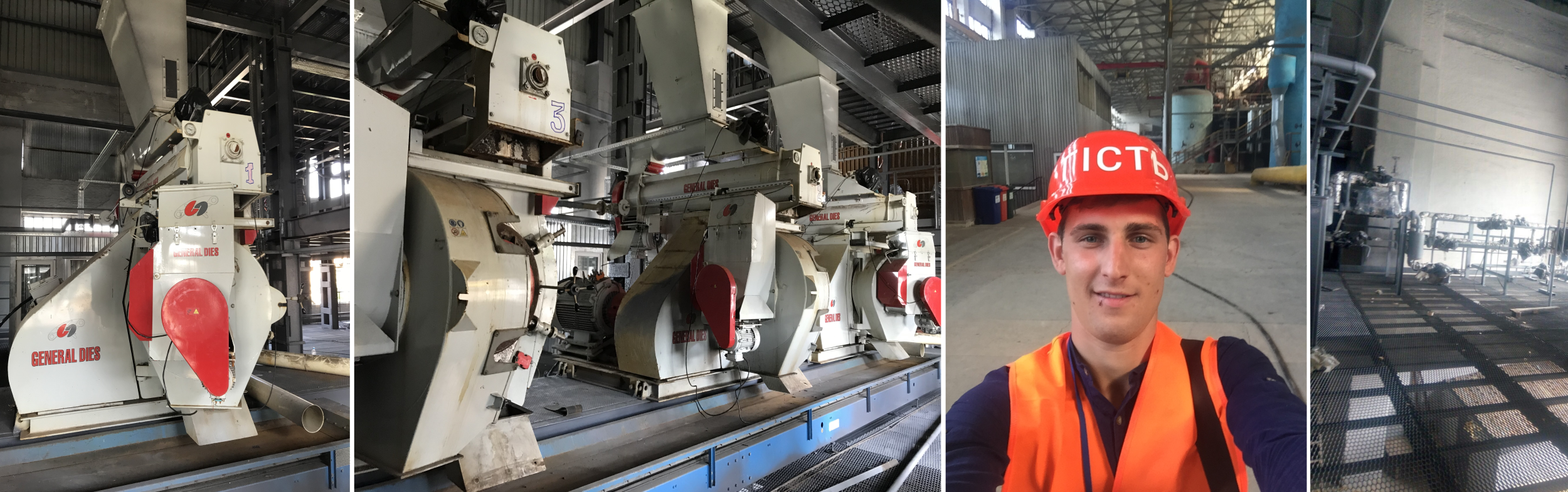
Products from Sugar Industry Waste
Thanks to the pelletizing process, two different types of final products can be manufactured from sugar industry waste. The characteristics of finished pellets are determined by the type of initial raw material and technical equipment settings:
|
Parameter |
Feed Pellets |
Fuel Pellets |
|
Main raw material |
Sugar beet pulp + molasses |
Pulp, filter cake, straw |
|
Diameter, mm |
6-8 |
8-10 |
|
Length, mm |
10-20 |
15-30 |
|
Moisture, % |
10-12 |
8-10 |
|
Density, kg/m³ |
650-700 |
700-750 |
|
Energy value |
10-12 MJ/kg (feed) |
16-18 MJ/kg (fuel) |
|
Storage period |
Up to 12 months |
Up to 36 months |
|
Target consumers |
Livestock farms, feed mills |
Private households, industrial boiler houses |
The choice of production direction depends on market conditions and the geographical location of the enterprise. Our specialists help determine optimal specialization considering regional features.
Economic Advantages of Implementing Pelletizing Technologies
Disposal of sugar production waste by traditional methods — storage, composting or field application — creates substantial financial burden. Pelletizing transforms the problem into a source of additional income.
Processing fresh sugar beet pulp through drying and pelletizing significantly reduces raw material volume, facilitates its transportation and storage, and most importantly — creates a finished product with market value. Pellets enjoy stable demand among feed producers, farms and energy enterprises.
Implementation of such technologies opens opportunities for sugar plants to generate additional income, reduces burden on the disposal system and increases efficiency of production resource utilization. Project payback depends on processing volumes and equipment configuration. But in most cases this solution proves financially justified even for enterprises with limited budgets.
Environmental Aspects of Sugar Production Waste Processing
Sugar beet pulp and other sugar production byproducts create serious environmental risks. Their uncontrolled storage leads to:
-
groundwater pollution;
-
unpleasant odors;
-
development of pathogenic microflora;
-
penalty sanctions from environmental inspections.
Implementation of pelletizing technologies contributes to comprehensive solution of these problems. Dry pellets do not release wastewater, do not create unpleasant odors, and do not attract pests.
Fuel pellets from sugar production waste have renewable biofuel status. Their use instead of fossil fuels reduces CO₂ emissions into the atmosphere, which fits modern environmental standards.
Equipment for Sugar Production Waste Processing
"UKRBIO TRANS-SERVICE" produces a complete complex of equipment for establishing efficient processing of sugar industry waste:
-
Hammer Mills
Powerful grinders with working elements made from HARDOX alloy steel allow efficient grinding of even fibrous raw materials. Thorough grinding is an important condition for obtaining quality pellets.
-
PSP Pellet Mills
The PSP-350 and PSP-480 series with different die configurations is optimally suited for processing sugar production products. Thanks to automatic lubrication and gearbox cooling systems, the equipment operates for extended periods without shutdowns.
-
PSP-C Coolers
Specially designed for gradual and uniform pellet cooling. Quality cooling prevents cracking and ensures pellet shape preservation.
-
Screens
Final cleaning of finished products from dust and non-standard particles. This is an important stage of commercial product preparation, especially for feed pellets.
Each element of the technological line is designed considering the specifics of the sugar industry and adapted to work with different types of byproducts.
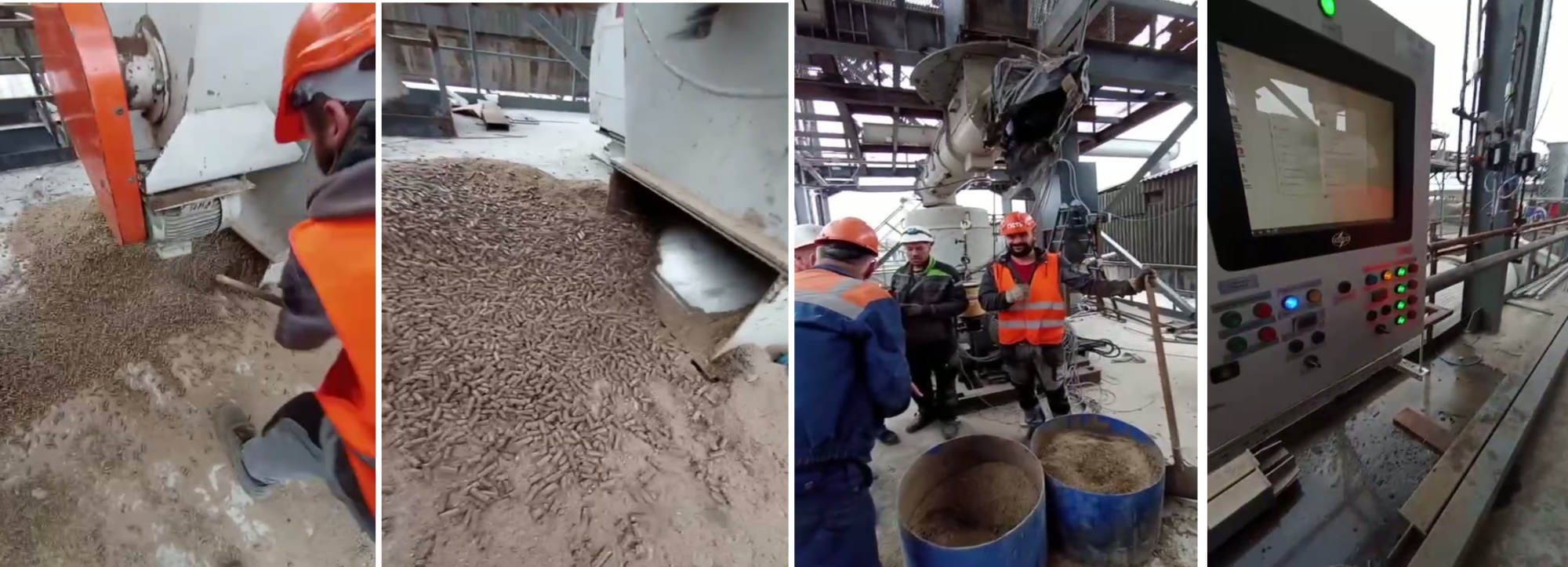
Cooperation with "UKRBIO TRANS-SERVICE"
The sugar industry is characterized by a clearly defined seasonality, which imposes specific requirements on equipment and production organization. During the processing season lasting 90-120 days, sugar plants accumulate significant volumes of byproducts that need to be efficiently processed.
Our company takes this specificity into account, offering solutions tailored to real production conditions:
-
development of technological solutions with seasonality in mind;
-
a comprehensive approach “from pulp to finished product”;
-
installation of equipment during the off-season;
-
guaranteed technical support during peak load periods.
We offer sugar plants various cooperation formats:
-
purchase of a complete equipment package;
-
phased implementation of the technological line;
-
modernization of existing processing systems;
-
maintenance service for the equipment.
Contact UKRBIO TRANS-SERVICE at the phone numbers listed on our website. Our specialists will carry out a technical audit of your enterprise, develop an optimal waste processing scheme, and offer an economically viable solution